Holiday Stress Management for Kids: Pediatrician-Approved Nutrition & Wellness Tips

The holidays are magical, but between family gatherings, school breaks, and packed schedules, even kids can feel overwhelmed. While grown-ups rush through gift lists and meal prep, little ones pick up on the chaos and may struggle with their own version of holiday stress.
Good news? Simple steps like nutrient-rich foods, gentle routines, and a little mindfulness are all it takes. Here’s how to help your kids enjoy the season while staying balanced and relaxed.
How Does Stress Affect Kids’ Health During Holidays?
Holiday stress isn’t just an adult problem. Kids feel the pressure too, but show symptoms in different ways. While you’re managing shopping lists, your little ones might be processing disrupted sleep schedules, unfamiliar faces at family dinners, or the overwhelming stimulation of bright lights and loud celebrations.
Signs of holiday stress in kids include:
- Sudden mood swings or tearfulness
- Complaints of stomachaches or headaches
- Trouble falling asleep or frequent nightmares
- Clinginess or withdrawal from favorite activities
- Regression to younger behaviors like bedwetting
Kids are extremely sensitive to environmental changes, and the holiday season brings plenty of those. Changes in routine, new foods, social events, and even pressure to pose for perfect family photos can trigger stress responses in young bodies.
When stress goes unchecked, kids may experience weakened immunity, trouble concentrating, and difficulty regulating emotions. That’s why creating calm spaces and nourishing routines during busy seasons matters so much.
Role of Nutrition in Managing Stress
Food does more than fill tummies. The right nutrients support brain health, nervous system balance, and emotional resilience, all of which help kids navigate stressful moments with more ease.
Here’s what pediatrician-approved nutrition can do:
Magnesium: Often called “nature’s tranquilizer,” magnesium supports a balanced stress response and helps calm the nervous system. Kids burn through magnesium faster when stressed, so foods like leafy greens, nuts, seeds, and whole grains become extra important during busy seasons.
B Vitamins: B vitamins play a key role in producing neurotransmitters like serotonin and dopamine, which regulate mood and focus. Under stress, kids deplete their B vitamin stores quickly. Look for whole grains, eggs, and fortified foods to keep those levels steady.
Vitamin D: Sunshine vitamin for brain health and mood regulation. During winter months, when kids spend more time indoors, vitamin D becomes even more essential for mental wellness.
Protein and Zinc: Amino acids from protein help create the chemical messengers that affect mood, memory, and learning. Pairing protein-rich meals with zinc supports better emotional regulation and focus.
A gentle, yummy option? Plix Kids SuperTots Multivitamin Gummies are made just right for kids aged 3 and up. With 16 vitamins and minerals, including support for vision, bones, and immunity, it makes daily nutrition fun and easy for your kids!
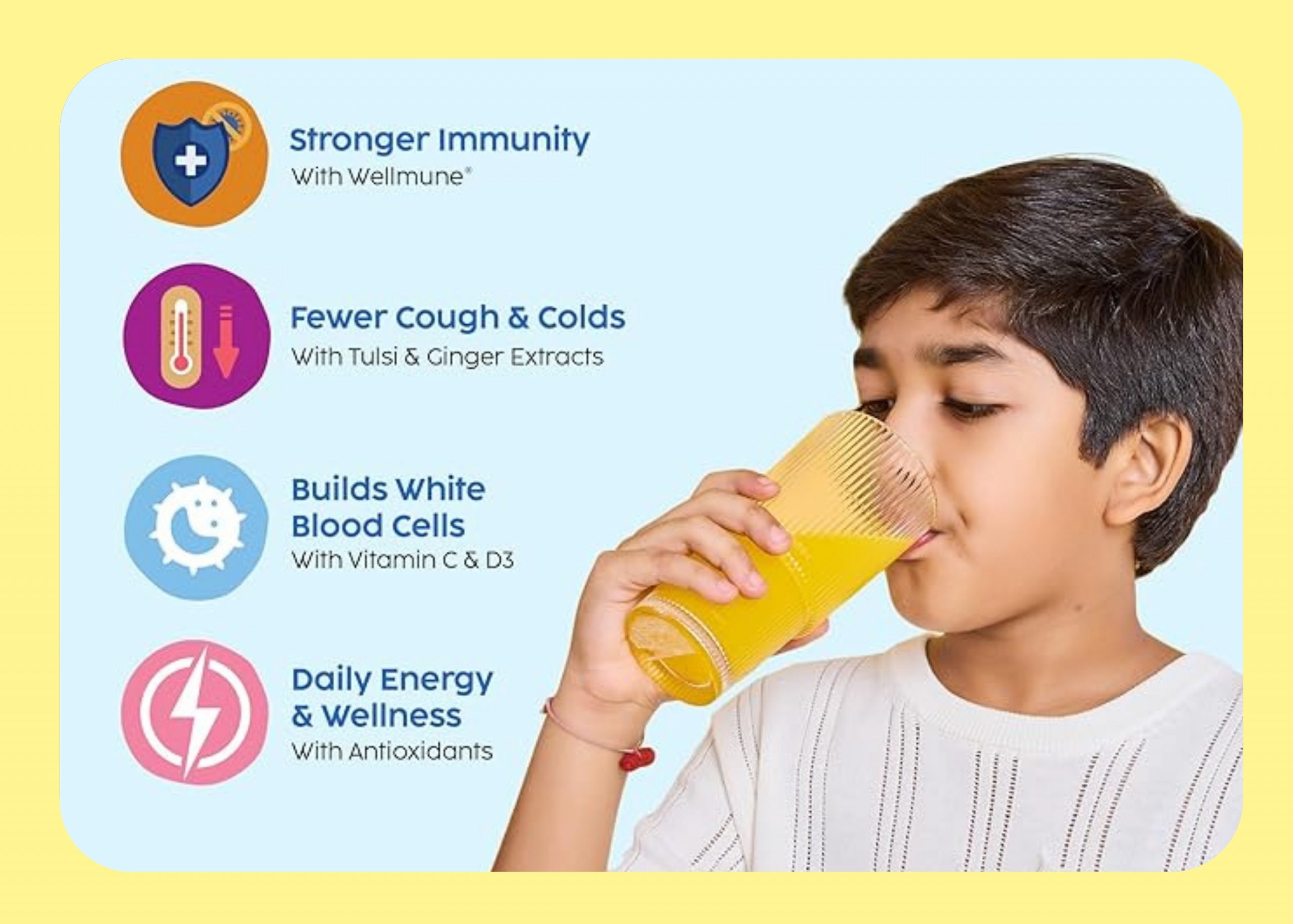
For immunity support during the busy holiday season, Plix Kids ImmunoFizz offers clinically tested ingredients like Wellmune, Tulsi, Ginger, and Vitamins C and D3. Ideal for kids 4 and older, these gentle effervescent tablets turn immune support into a delicious, mango-flavoured treat!
Creating Calm Routines During the Busy Season
Routines give kids a sense of control and safety, especially when the world around them feels unpredictable. Consistency with sleep, meals, and playtime helps anchor little ones, even during the busiest weeks.
Keep bedtime steady
Sleep disruptions amplify stress. Try to maintain a regular bedtime, even on party nights. A calming routine with story time, soft music, or deep breathing exercises helps signal the body it’s time to wind down.
Plan meals around whole foods.
Fruits, vegetables, whole grains, and lean proteins provide fiber, antioxidants, and essential nutrients that stabilize mood and energy. Avoid sugary holiday treats as main meals. Save sweets for special moments, not everyday fuel.
Build in a quiet time.
Between events, carve out 10 to 15 minutes for calm activities. Reading, coloring, or simply sitting together without screens gives kids space to reset.
Prepare kids in advance.
Explain who will be at gatherings, what activities to expect, and how long events will last. Kids love to know what to expect, and realistic expectations reduce anxiety.
What Are Signs of Stress Overload in Kids?
Catching stress early helps prevent bigger meltdowns. Watch for these red flags:
- Increased irritability or unexpected outbursts.
- Physical complaints like frequent headaches or tummy aches.
- Avoidance of holiday events or family gatherings.
- Nervous behaviors like nail biting or hair twirling.
- Noticeable changes in appetite or energy levels.
- Difficulty concentrating or completing simple tasks.
When kids show multiple signs over several days, address the stress, validate their feelings, adjust your schedules if possible, and create opportunities for rest and connection.
Conclusion
The holidays should bring joy. With gentle routines, nourishing foods, and pediatrician-approved support, your little ones can enjoy the season while staying calm and healthy. Explore Nutrition Made for Kids and give your family the tools to turn healthy habits into fun, everyday routines.
Frequently Asked Questions
Q. How does stress affect kids’ health during the holidays?
Holiday stress can weaken immunity, disrupt sleep, and cause physical symptoms like stomachaches and headaches in kids. Emotional signs include mood swings, clinginess, and withdrawal from favorite activities. Changes in routine and overstimulation during festive events can trigger these stress responses.
Q. What nutrition helps kids manage holiday stress?
Nutrient-rich foods with magnesium, B vitamins, vitamin D, protein, and zinc support calm and emotional balance. Whole grains, leafy greens, eggs, nuts, and lean proteins help regulate mood and nervous system health. Plant-based, pediatrician-approved supplements like Plix Kids SuperTots offer gentle daily support.
Q. How to create calm routines during the busy season?
Maintain a consistent bedtime, plan meals around whole foods, and build in quiet time between events. Use a family code word for when kids feel overwhelmed, and prepare them in advance by explaining what to expect at gatherings. Routine gives kids a sense of safety and control.
Q. What are the signs of stress overload in kids?
Watch for increased irritability, physical complaints, avoidance of events, nervous behaviors like nail biting, changes in appetite or sleep, and difficulty concentrating. Multiple signs over several days suggest stress overload and the need for rest and emotional support.